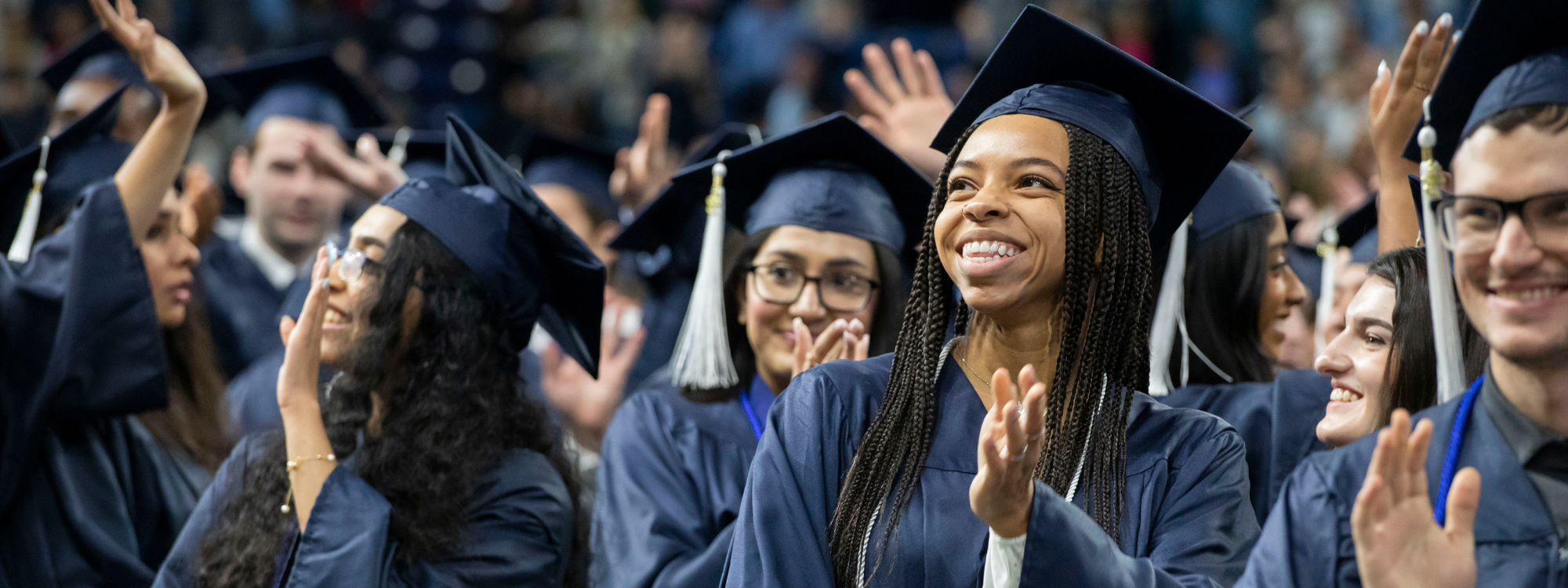
Congratulations, Graduates!
Spring commencement will be held Saturday, May 4, with ceremonies at 9 a.m. for undergraduates at University Park.

Senior Celebration
10:00 am - 2:00 pm
Career Eco: AI and Machine Learning Virtual Career & Grad Fair
11:00 am - 3:00 pm
"Bodies in Digital Entrepreneurship" Public Showcase
1:30 pm - 2:00 pm
Career Eco: Government & Non-Profit Jobs Virtual Hiring Event
11:00 am - 3:00 pm
|||
Creating Leaders for the Information Age
We are about solving problems—not those found only in textbooks, but real-world problems that impact everyday lives. Our interdisciplinary programs position students and scholars to take on the complex challenges that exist at the intersection of information, technology, and people.
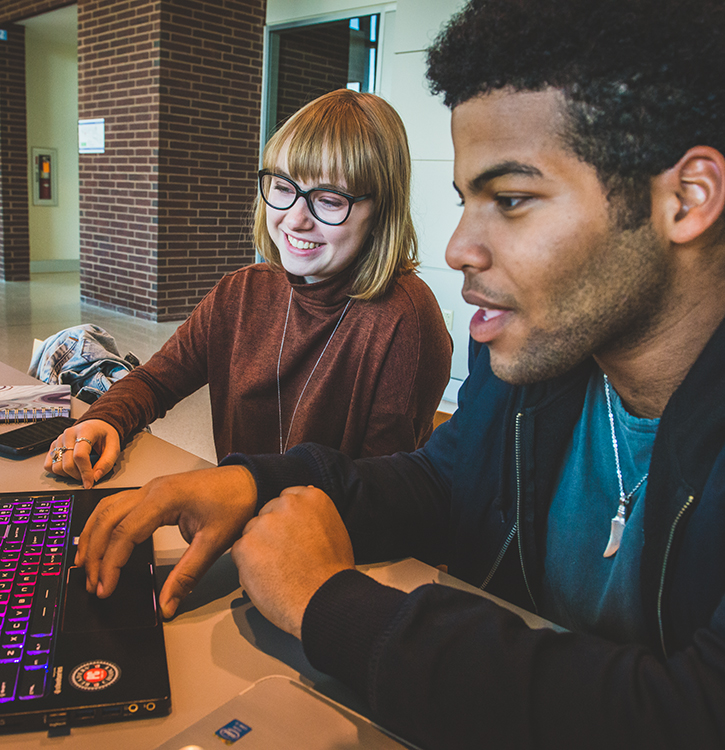
Creating Leaders for the Information Age
Our interdisciplinary programs position students and scholars to take on the complex challenges that exist at the intersection of information, technology, and people.
|||
IST students are in high demand.
100%
of undergraduates complete an internship before graduation
700+
employers actively recruit IST students each year
84%
of undergraduates receive a job offer from their internship provider
Research in IST is transformative. Through diverse collaborations, thoughtful approaches, and innovative solutions we are changing the way we live, work, and engage with the world.
|||
Our collaborative research is transforming the way we live, work, and engage with the world.
Our strength is our community.
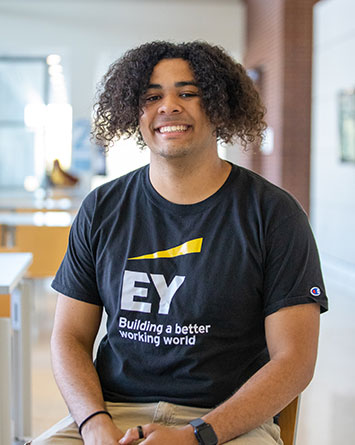
Zigmund Bernard
Paving the way for a career in cybersecurity consulting
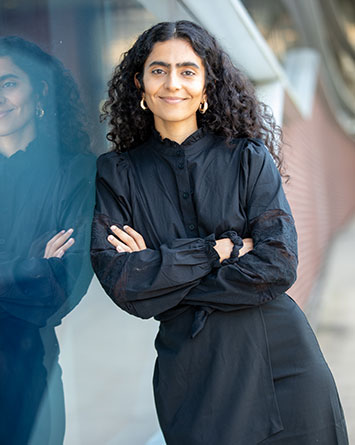
Nasim Motalebi
Pursuing technologies for social impact in support of refugees
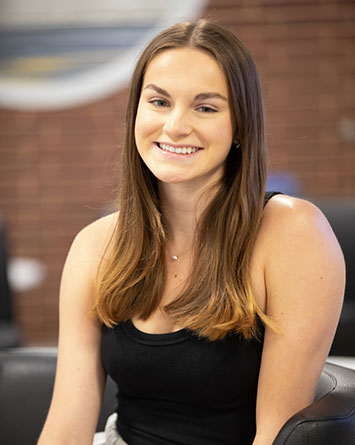
Jane Schneider
Leveraging IST networks and resources to engage in data science opportunities
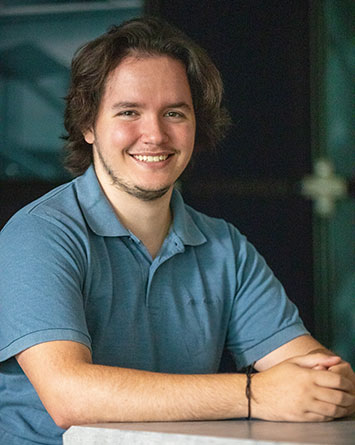
Sam Whittle
Making a difference through IST education and experiences
Our strength is our community.
Zigmund Bernard
Paving the way for a career in cybersecurity consulting
Nasim Motalebi
Pursuing technologies for social impact in support of refugees
Jane Schneider
Leveraging IST networks and resources to engage in data science opportunities
Sam Whittle
Making a difference through IST education and experiences
|||
Penn State Forever
We are more than a University. We are a network of 700,000 alumni that share a common connection to support the past, present, and future of Dear Old State.